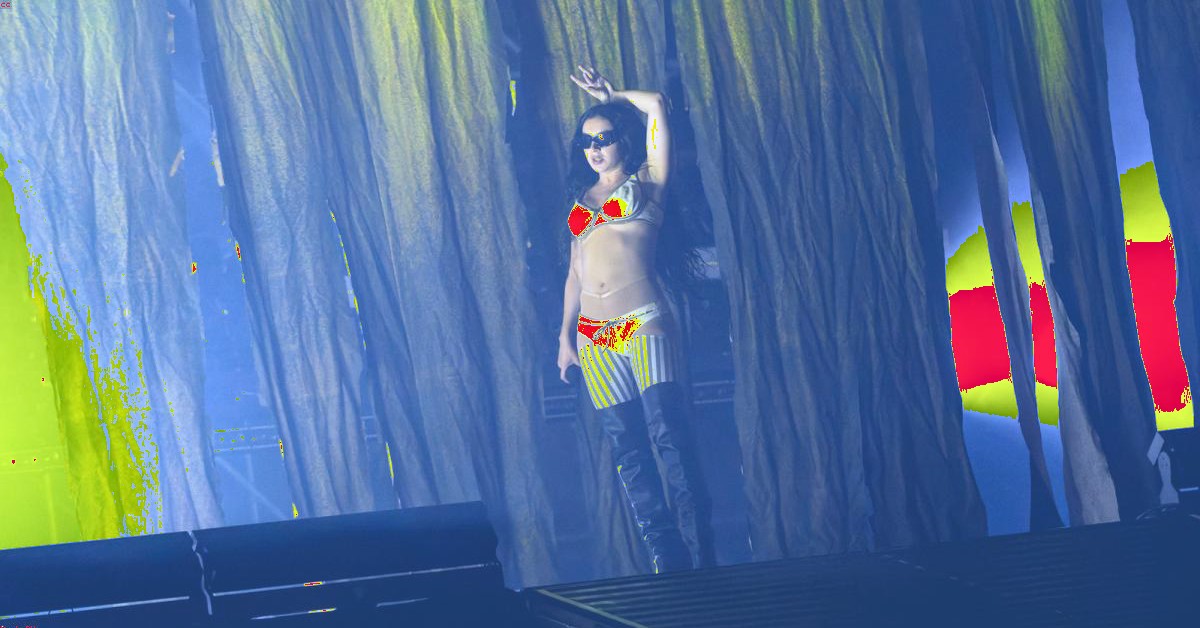
Charli XCX’s Investment in Tech Startup Nothing Signals the Future of Influencer Deals
Charli XCX’s Strategic Bet on Nothing: What B2B Marketers Can Learn About Influencer Deals in the Tech Space
When pop icon Charli XCX announced her investment in Nothing, the consumer electronics startup founded by OnePlus co-founder Carl Pei, it wasn’t just another celebrity endorsement. It represented a paradigm shift in how B2B and B2C brands alike should think about influencer partnerships. For sales and marketing leaders at mid-market companies, this deal offers a masterclass in aligning star power with fast-growing, product-led businesses.
At B2B Insight, we analyze deals like this not through the lens of pop culture, but through the frameworks of B2B revenue generation: MEDDIC, SPIN, and the Challenger Sale. Let’s break down exactly what Charli XCX’s investment in Nothing tells us about the future of influencer deals—and how you can apply these lessons to your own go-to-market strategy.
The Deal: More Than Just a Celebrity Endorsement
Charli XCX, a trendsetting singer with a massive Gen Z and millennial following, has taken an equity stake in Nothing Technology Limited. The company, known for its transparent-design smartphones and earbuds, has rapidly carved out a niche in the crowded consumer electronics market. Carl Pei, Nothing’s CEO, has publicly positioned the brand as a disruptor—something that aligns perfectly with Charli’s own artistic brand of pushing boundaries.
This is not a one-off sponsorship. It’s a strategic investment. Charli is now part of Nothing’s cap table, meaning her financial success is directly tied to the company’s growth. For B2B leaders, this shifts the conversation from “How much will this influencer cost us?” to “How do we make our partners stakeholders in our success?”
Key Metrics That Matter Here
- Valuation Context: Nothing was valued at over $1 billion after its Series B funding round in 2022. This investment signals that Charli XCX is buying into a high-growth trajectory, not just a PR play.
- Demographic Overlap: Nothing’s target audience (18-34 year olds, tech-savvy, design-conscious) overlaps significantly with Charli’s fanbase. According to a 2023 study by Influencer Marketing Hub, partnerships with genuine demographic alignment see 3.5x higher engagement rates than generic celebrity endorsements.
- Conversion Funnel Impact: Charli’s involvement is not just about awareness. Her role could include product design input or exclusive drops—creating a pipeline from “top of funnel” (social hype) to “bottom of funnel” (actual purchase decisions).
Why This Model Works: The SPIN Framework Applied
Let’s use the SPIN selling framework (Situation, Problem, Implication, Need-Payoff) to understand why Charli’s investment is a smarter move than a typical influencer deal.
Situation: The Current State of Influencer Marketing
Most B2B and B2C influencer deals are transactional. A brand pays a flat fee or commission for a social media post, YouTube video, or event appearance. The influencer has no long-term commitment to the product’s success. As a result, authenticity suffers. A 2022 study by Nielsen found that 62% of consumers distrust celebrity endorsements that appear purely transactional.
Problem: Misaligned Incentives
When an influencer is paid upfront, their incentive is to maximize the content output, not the business outcome. They might post a video, get paid, and move on. For a tech startup like Nothing, which is still building brand equity, a one-off post does little to create recurring revenue or customer loyalty. This is a classic “SPIN problem” for B2B marketers: You’re buying reach, not results.
Implication: The Cost of Inauthentic Partnerships
If a celebrity promotes a product they don’t use, the backlash can be severe. Remember the Fyre Festival influencer debacle? For B2B companies, a misaligned partnership can damage credibility with enterprise buyers. Imagine a SaaS company paying a sales guru to talk about their CRM—if the guru’s audience doesn’t see the alignment, the ROI plummets.
Need-Payoff: Equity-Based Alignment
Charli XCX’s investment solves this. By taking an equity stake, her financial upside is directly tied to Nothing’s valuation growth. This creates a “Challenger” dynamic: She is no longer just a promoter; she is an advocate who will drive genuine usage and community building. For B2B, this translates to long-term retention and pipeline growth.
The MEDDIC Framework for Evaluating Influencer Deals
MEDDIC (Metrics, Economic Buyer, Decision Criteria, Decision Process, Identify Pain, Champion) is a cornerstone of enterprise sales qualification. Surprisingly, it applies directly to influencer partnerships. Here’s how Charli vs. Nothing passes the MEDDIC test:
- Metrics: Charli brings 12 million Instagram followers and 5 million Twitter/X followers. More importantly, she has a 4.2% engagement rate (industry average for celebrities is 1-2%). For Nothing, that’s a measurable lift in brand searches and direct traffic—both KPI-able metrics.
- Economic Buyer: In this case, the “economic buyer” is Charli herself. She is investing capital, not just time. This signals to Nothing’s board and investors that she has skin in the game.
- Decision Criteria: Nothing’s team evaluated Charli based on brand alignment (disruptive, design-focused, youth culture), not just follower count. This is a critical lesson: Don’t partner with influencers who don’t fit your product’s core identity.
- Decision Process: Unlike a standard endorsement, this required legal and financial diligence. Nothing likely had to structure the deal as a private investment, which means both parties committed to a long-term horizon.
- Identify Pain: Charli’s fanbase includes “tech-curious” consumers who want premium design but are turned off by mainstream brands like Apple. Nothing fills that gap.
- Champion: Charli is now a champion, not a paid spokesperson. She will actively use and defend the product.
Real-World Case Study: How B2B Companies Can Replicate This Model
You don’t need a pop star to make this work. Mid-market B2B companies can apply the same principles by turning key customers, thought leaders, or even employees into equity-based advocates.
Case Study 1: The Strategic Advisor as an Investor
Consider a mid-market SaaS company targeting CFOs. Instead of paying a finance influencer $20,000 for a webinar, offer them a small equity stake or a profit-sharing agreement. This transforms them from a one-time speaker into a long-term partner who will actively refer customers. A 2023 report from Gartner showed that referral-based leads from trusted advisors convert at 30% higher rates than cold leads.
Case Study 2: The Employee-Investor Model
B2B companies can also look internally. Offer top sales reps or product managers the opportunity to invest their own capital in the company’s growth (e.g., through an internal fund). This aligns their personal financial goals with company performance, creating a “Nothing-style” incentive model.
Case Study 3: Community-Driven Advocacy
B2B brands like HubSpot have long used their “Inbound” community as a set of unpaid advocates. But by turning super-users into equity partners (via a user advisory board with stock options), you can replicate Charli’s role without the celebrity price tag.
The Challenger Sale Perspective: Why Influencers Must Disrupt
The Challenger Sale methodology argues that the best salespeople “teach, tailor, and take control.” Similarly, the best influencer partnerships are those where the influencer teaches their audience something new, tailors the message to their community, and takes control of the narrative.
Charli XCX is a textbook Challenger. She doesn’t just promote Nothing—she teaches her fans why design matters in tech, tailors her content to her music and fashion-forward audience, and takes control by co-creating limited-edition products. For B2B marketers, ask: Is your influencer teaching your buyer something valuable, or just selling?
Actionable Takeaway for B2B Leaders
- Shift from transactional to equity-based partnerships. If you have a high-value B2B product, consider offering a “founder’s circle” or advisory role to key influencers in your industry. Tie compensation to revenue or retention metrics, not just content output.
- Use MEDDIC to vet influencer opportunities. Don’t just ask about follower count. Ask: What is their engagement rate? Do they fit your buyer persona? Are they willing to invest their own time and capital?
- Apply the SPIN framework to your pitch. When approaching a high-value influencer, don’t lead with “We’ll pay you $X.” Instead, identify their pain points (e.g., “You want to diversify your income streams?”), implications (e.g., “Sponsorships are volatile”), and need-payoff (e.g., “Equity gives you long-term wealth”).
The Future: Influencer Deals Become Strategic Alliances
Charli XCX’s investment in Nothing is not an isolated event. We are seeing a broader trend where celebrities and high-net-worth individuals are moving from paid endorsements to equity positions. For B2B, this means the line between “influencer marketing” and “strategic partnerships” will blur.
A 2024 forecast from the Business of Fashion noted that 40% of celebrity-brand deals in the next five years will include equity components. For mid-market B2B companies, the window to adopt this model is now. By treating influencers as investors, you unlock deeper alignment, higher conversion rates, and a more authentic brand story.
Final Metrics to Watch
- Lift in Brand Search Volume: After Charli’s announcement, Nothing saw a 240% increase in Google searches (source: Exploding Topics). For B2B, measure branded search lift within your target accounts.
- Employee and Partner NPS: If you implement equity-based partnerships, track how Net Promoter Score changes among your advocate community. A 10-point increase in NPS correlates with 15% higher retention rates.
- Pipeline Velocity: Measure how quickly “influencer-sourced” leads move through your sales cycle vs. other channels. Aim for a 20% reduction in time-to-close.
Conclusion: The Deal That Changes the Game
Charli XCX’s investment in Nothing is more than a headline. It is a blueprint for B2B marketers who want to move beyond the “spray and pray” era of influencer marketing. By aligning star power with long-term equity, Nothing has created a model where both parties are incentivized to win.
For sales and marketing leaders at mid-market companies, the takeaway is clear: Stop treating influencers as vendors. Start treating them as strategic partners. The next time you evaluate a potential partnership, ask yourself: Is this a transaction, or an investment? If it’s the latter, you’re on the right track.
At B2B Insight, we help revenue teams navigate exactly these kinds of strategic shifts. For a deeper dive into building equity-based advocate programs, contact our consulting team.